Beyond the Bean: What Single Origin Chocolate Still Leaves Out
What a 190-year-old chocolate house understood about origin, and why so much of the industry has not caught up.
A lot of companies are doing single origin bars. In most of them, the origin is just the beans.
The country goes on the packaging. The farmers do not. The flavors of the place, the knowledge of the people who grow and cook around that cocoa, and the terroir itself rarely make it onto the shelf. The claim says where the beans came from and very little else.
That gap is a strategy problem, and customers are noticing.
The Origin Is Just the Beans
When origin is treated as a sourcing attribute, the relationship becomes a transaction. They want the beans, and then that's it.
That model produces a label. It cannot produce a story, because the people who hold the story were never part of the conversation. The farmers whose craftsmanship makes the beans stay outside the room. So do the makers who understand how flavors from that region behave, and the context that makes a place taste like itself.
The result is a category full of bars that name a country and say almost nothing about it.
What a 190-Year-Old House Got Right
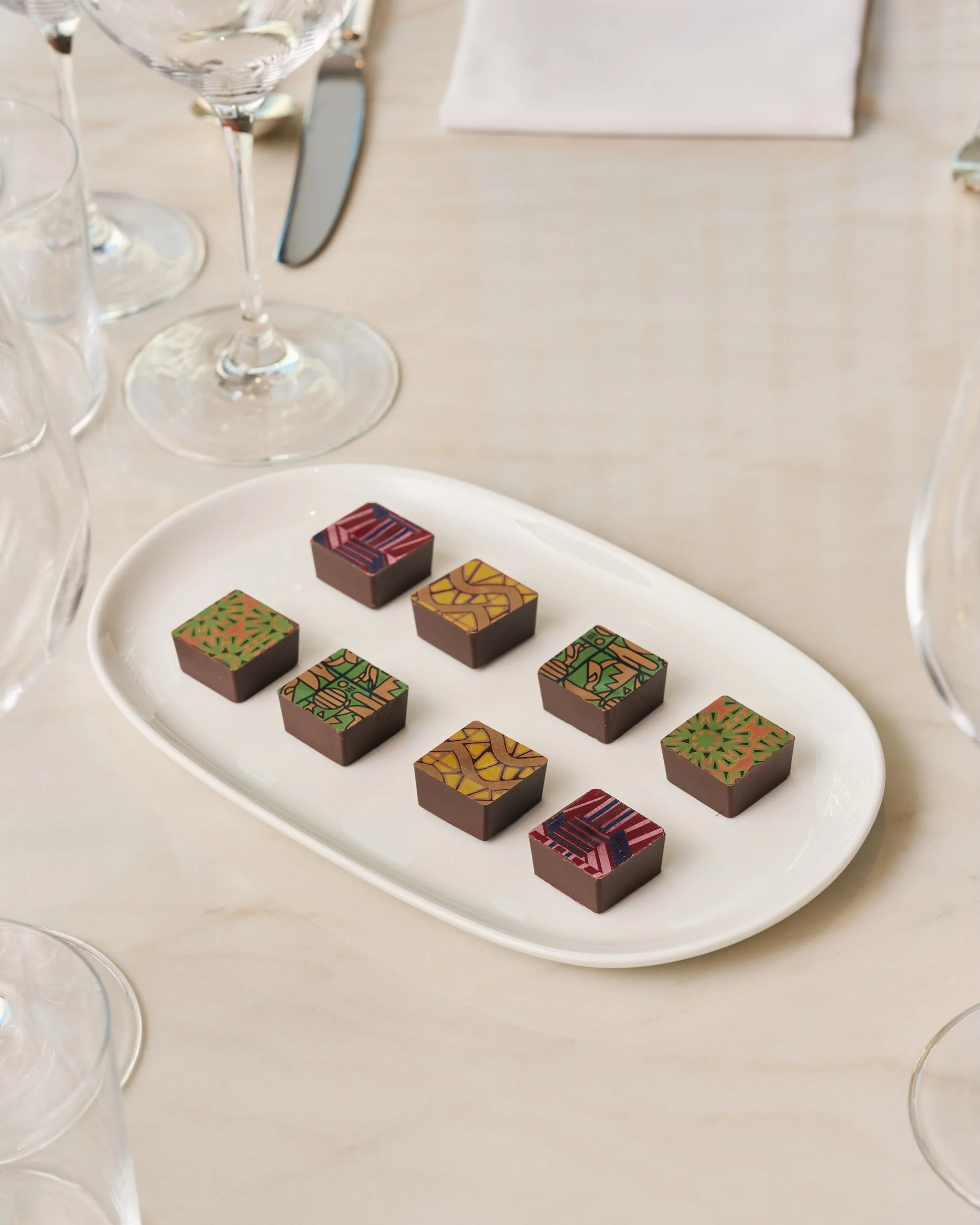
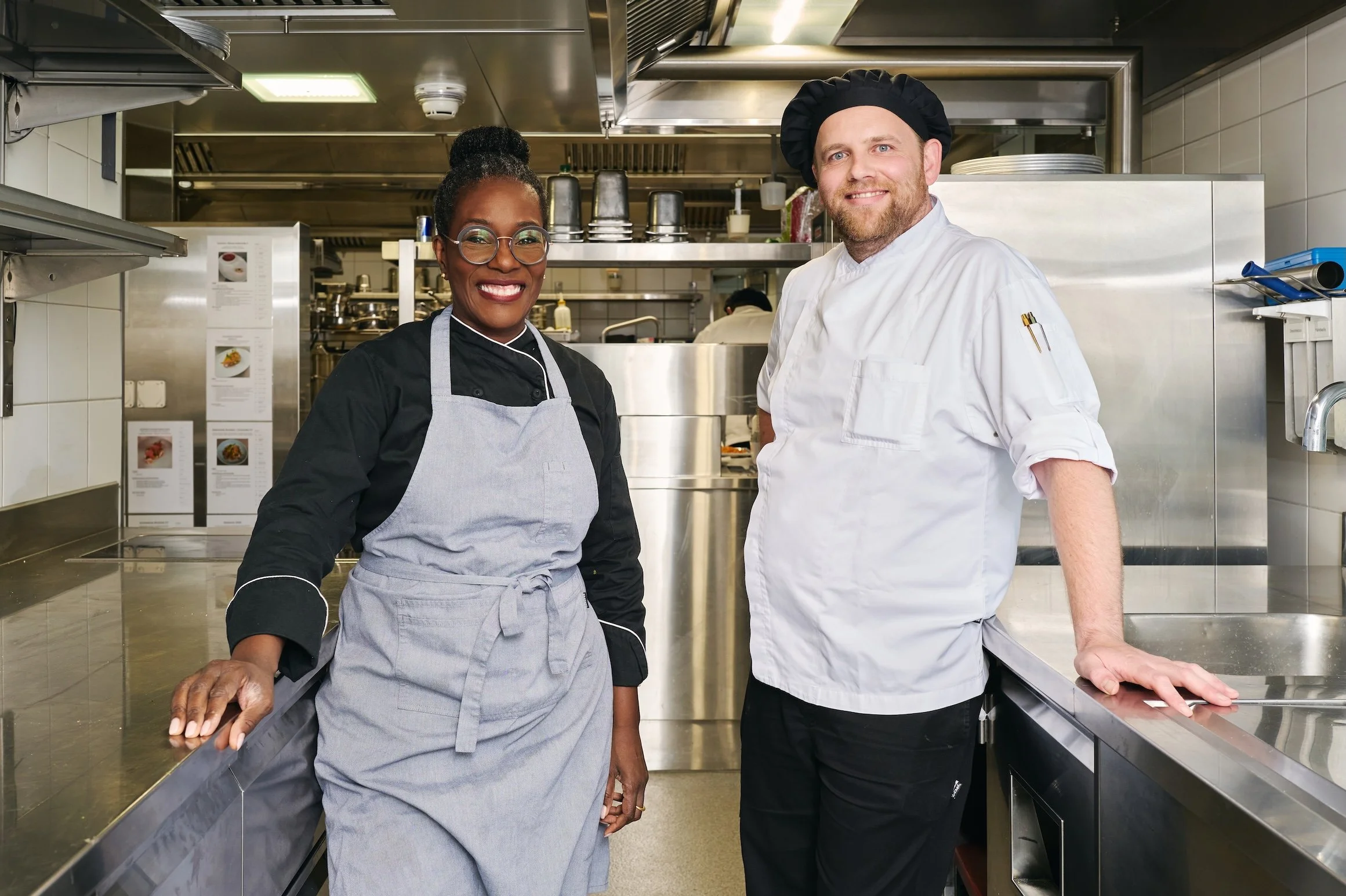
In 2026, I collaborated with Confiserie Sprüngli, the Zurich chocolate house that turned 190 this year, on a collection of pralines designed to honor origin rather than simply cite it.
What they understood was that origin is not the name on the box.
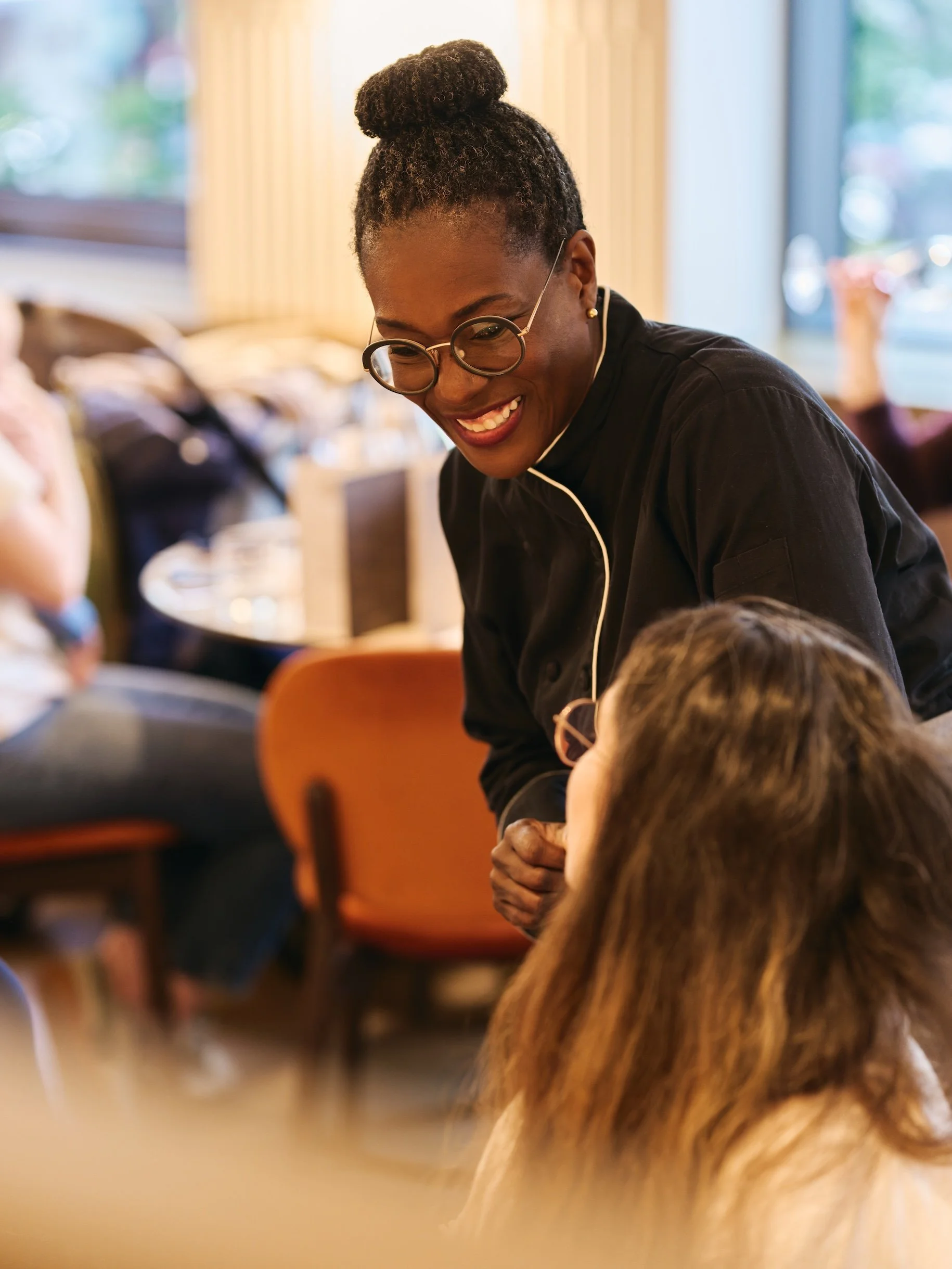
It was not something they had done before, and they were not sure how to do it. We liked each other's mission and mandate, and we decided to explore what it could look like. The process began with a tasting: several of my truffle flavors, some of the ingredients I brought, and a conversation around the flavors.
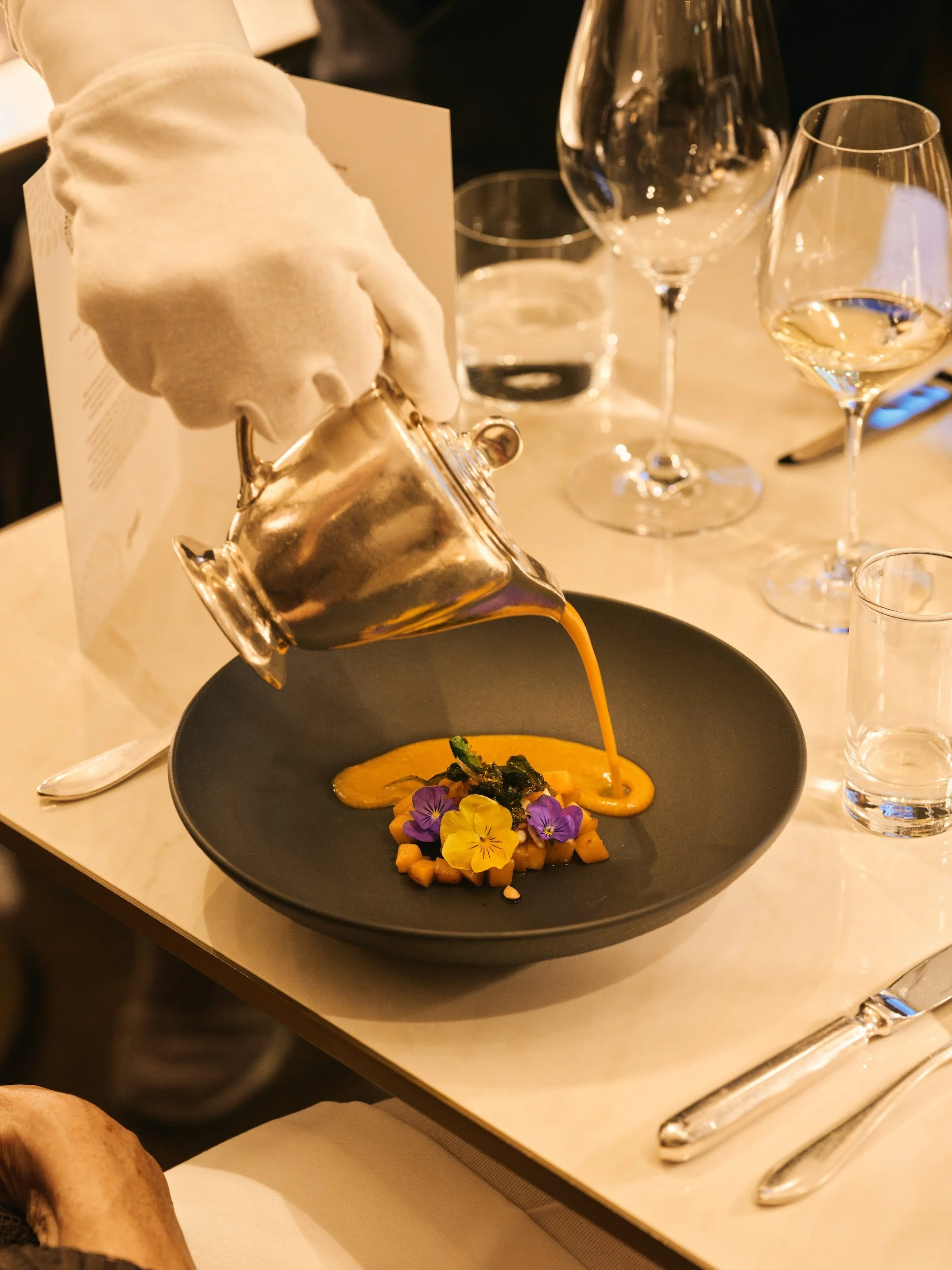
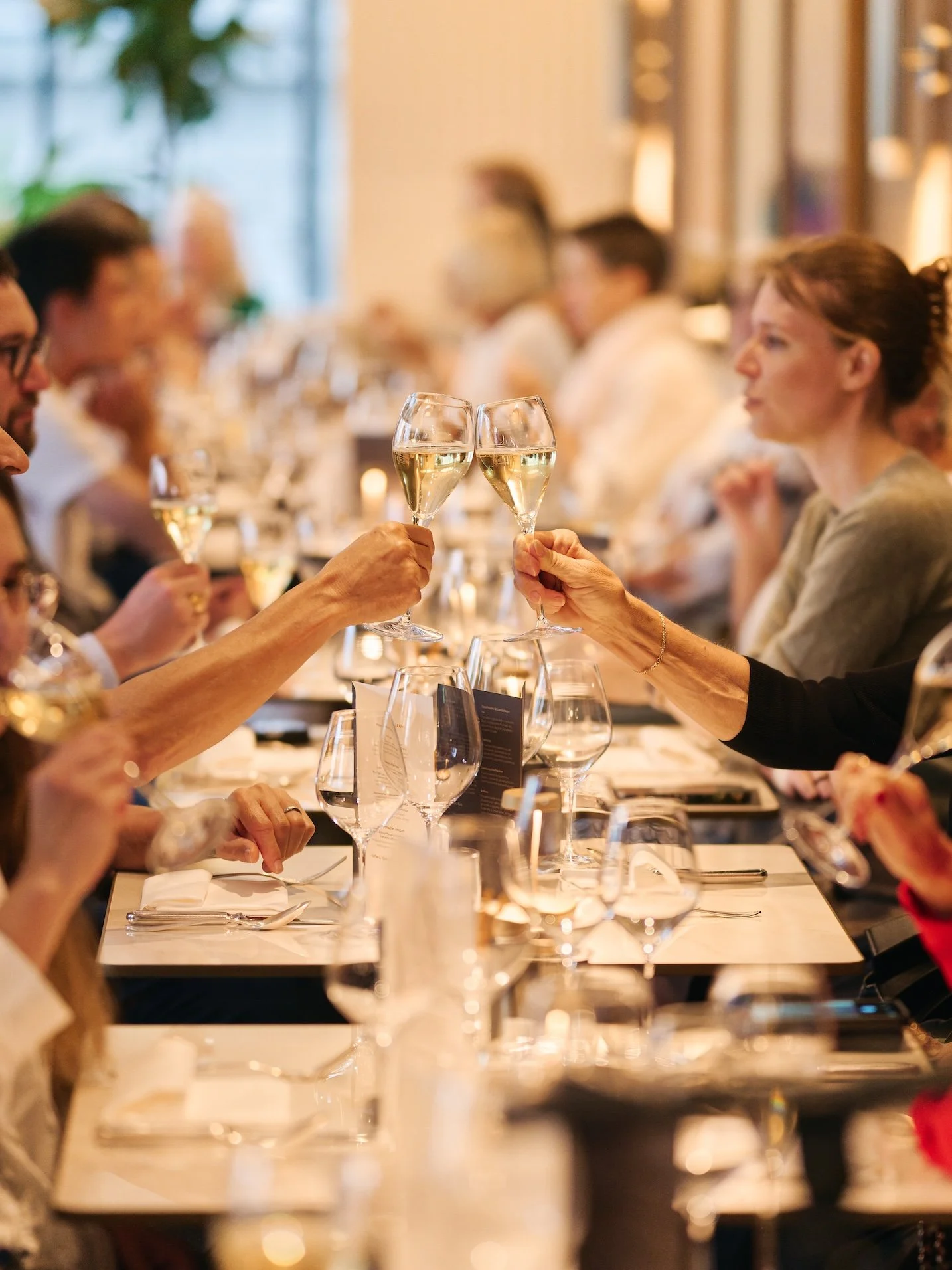
Then they went further. They proposed a dinner, so their customers could taste and learn more about the terroir, in a restaurant that had not been hosting dinners like it. They took a leap of faith. "Let's give this a try and see what it gives."
The first dinner, in February 2026, sold out. So did the collection. A second dinner, in September 2026, sold out as well, alongside the return of the collection.
Three things made it work, and early on we both recognized that none of them were lip service: love of origin and terroir, craftsmanship, and a pursuit of excellence. How the partnership ran mattered just as much. Consultation happened at every level.
A company with 190 years of history stayed open to something new and trusted the process because the values were shared. That openness is rarer in this industry than it should be.
Their customers were looking for more. They wanted an immersion, and they were curious enough to show up for it.
Proximity to Origin Is the Work
The collaboration did not end at the tasting table. When I returned to Ghana, my first step was connecting with the cooperative the beans came from and visiting some of the farmers. I wanted to know exactly the process they go through and how that specific cooperative works. For me it was also a moment to reconnect to my own origin.
That visit is the step most single origin programs skip, and it is the step that makes the story true. The collection came from three kinds of expertise meeting: the craftsmanship of the farmers, my understanding of the terroir and the flavors, and Sprüngli's skill in making chocolate.
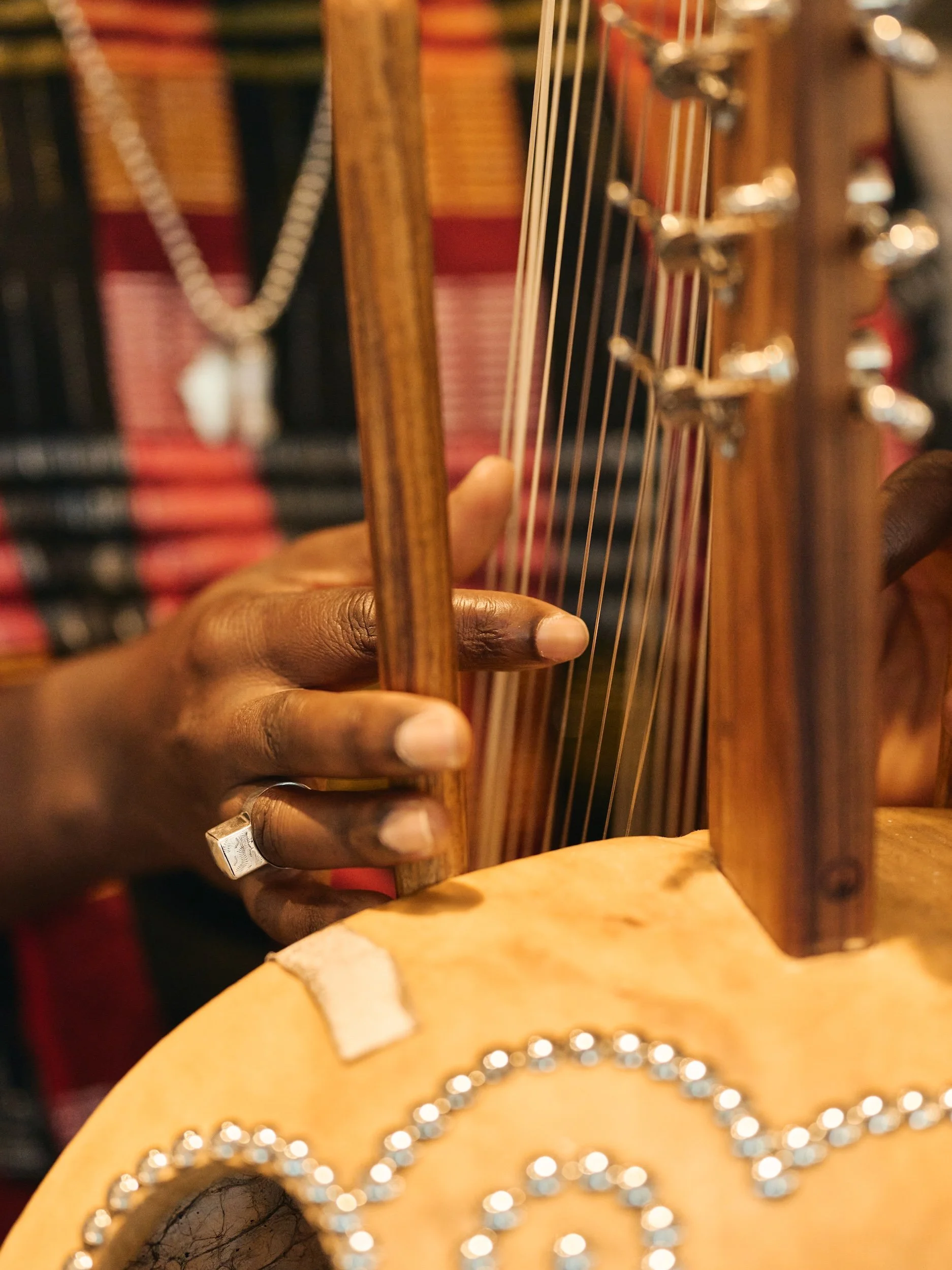
The second dinner goes bolder and deeper into the stories of flavors from across the African continent. That depth is only possible because the first round built trust, and because the story is being told by someone who has stood at origin.
What This Means, by Institution
Cocoa buyer: Origin that stops at the specification sheet will read as a label to the customer. Put someone on your team in front of the cooperative, in person, before the product story is written.
Development finance: The commercial value of an origin story depends on origin knowledge staying alive where the cocoa grows. Treat cooperatives and the regional food knowledge around them as assets to invest in, beyond their role as beneficiaries.
Cultural institution: A dinner or a tasting can carry terroir further than packaging can. Programs that pair makers from origin with established houses give audiences the immersion they are already asking for.
Call Forward
Most chocolate companies do not need a new origin claim. They need to decide whether origin is a transaction or a relationship, and then build the partnership that answers that honestly.
If your company is ready to go beyond the bean, that is the work I do. 👉🏾 Work with me
Weekly letters on food, inheritance and power at origin: Substack
Photography: Christian Hutter